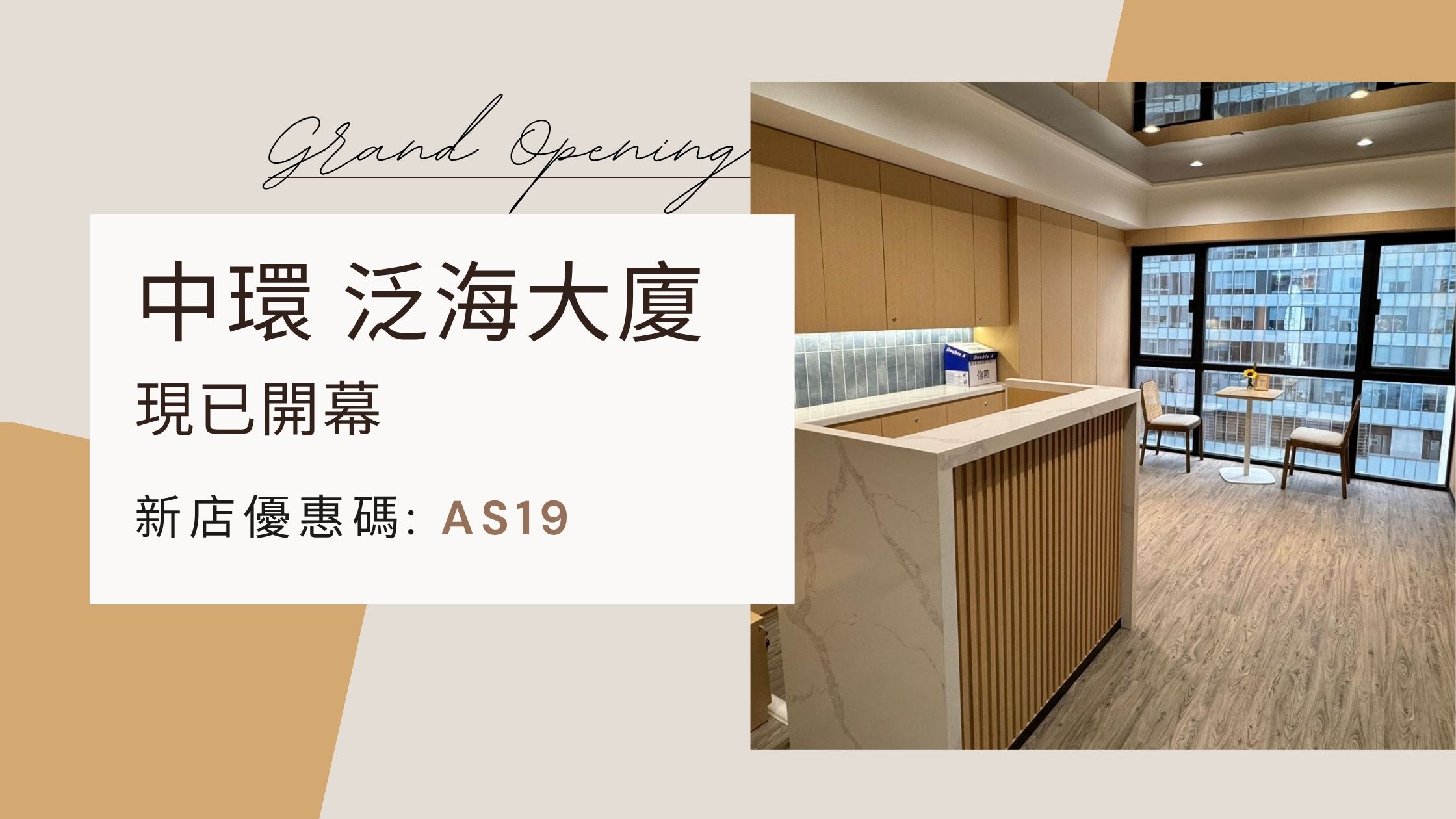


When registering a company in Hong Kong, selecting the right registered address not only affects the legality of the business but also influences brand image, business development, and even licensing applications. Today, there are many options for company registration addresses in Hong Kong, such as office buildings, industrial buildings, and business centers—so how should entrepreneurs weigh their choices? Below, Capital Business Center provides a simple comparison between commercial addresses and industrial building addresses to help entrepreneurs make the most informed decision.
1. Legal Compliance: Which Address is Safer?
Commercial addresses are typically located in Hong Kong’s core business districts (such as Central, Causeway Bay, and Tsim Sha Tsui), where land use is explicitly zoned for commercial activities. This ensures full compliance with Hong Kong’s Companies Ordinance and Town Planning Ordinance. Whether registering a company, applying for a business registration certificate, or handling tax matters, a commercial address provides undisputed legal protection.
On the other hand, industrial buildings (I/B) are originally designated for industrial or storage purposes, not commercial offices. While some industrial units may apply for mixed “Industrial/Office (I/O)” use, not all industrial buildings permit business registration. If a company operates in an industrial building without approval, it may violate the Buildings Ordinance or Town Planning Ordinance, risking fines or even forced eviction.
2. License Applications: Which Address is More Advantageous?
For many industries (such as finance, insurance, retail, and catering), government departments strictly scrutinize company addresses during license applications. Commercial addresses, due to their high legitimacy, are more likely to pass approval smoothly. For example, the Securities and Futures Commission (SFC) has specific requirements for financial firms’ office environments, and an industrial building address may fail to meet these standards.
Conversely, industrial building addresses are only suitable for specific sectors, such as manufacturing, logistics, or warehousing. If a business operates in services or requires client visits (e.g., beauty salons, tutoring centers), the industrial building environment may not meet licensing conditions. Additionally, some government departments (e.g., Fire Services Department, Food and Environmental Hygiene Department) conduct on-site inspections. If an industrial unit is found to be illegally used for commercial purposes, approved licenses may be revoked.
3. Corporate Image: How Does the Address Affect Client Trust?
A commercial address in a prime location can significantly enhance a company’s credibility. For instance, clients who see a registered address in prestigious business districts like Admiralty, Central, or Causeway Bay will naturally associate the company with professionalism and reliability. This is especially crucial for B2B (business-to-business) or high-end service industries (e.g., law firms, accounting firms), where a prestigious address is often a necessity.
Industrial buildings generally offer lower rents than commercial buildings, making them suitable for startups or budget-conscious businesses. However, industrial environments are often less polished and may lack proper reception facilities, leaving a poor impression on visiting clients. If a business primarily operates online (e.g., e-commerce, digital services), an industrial address may have minimal impact. But for businesses requiring frequent client visits, it could harm potential partnerships.
4. Cost-Effectiveness: Which Option Offers Better Value?
Rent in commercial districts is high, and not all entrepreneurs can afford it. However, this expense can be viewed as a brand investment—especially for industries needing physical offices or client-facing operations, where the opportunities generated by a commercial address may far outweigh the costs.
Capital Reminder: If entrepreneurs are concerned about the high cost of commercial office space, serviced offices provided by business centers are also a great alternative.
While industrial building rents may be only one-third to half of commercial rents, businesses must weigh potential legal risks and damage to their image. Additionally, if an address issue leads to license rejection or client loss, the long-term costs could outweigh the savings.
5. Future Growth: Which Option Offers More Flexibility?
If a company plans to expand (e.g., hiring more staff, applying for additional licenses), a commercial address provides greater flexibility, eliminating the need for relocation or re-registration due to address limitations.
If a business starts in an industrial building but later needs to upgrade to a commercial address due to growth, the relocation process may incur costs and negatively impact existing clients or partners. Conclusion
When registering a company in Hong Kong, the choice of address should consider the following factors:
1. Industry Type: Industrial/logistics businesses may opt for industrial buildings; service/finance industries should prefer commercial addresses.
2. Legal Risks: Ensure the address complies with zoning laws to avoid violations.
3. Corporate Image: A commercial address is superior for building a professional brand.
4. Budget: Balance rental costs against potential business benefits.
Regardless of the chosen address, businesses must ensure compliance with Hong Kong laws. Consulting a professional secretarial firm or lawyer when necessary can help mitigate operational risks. After all, a suitable registered address is not just a legal requirement—it’s a cornerstone of long-term success.