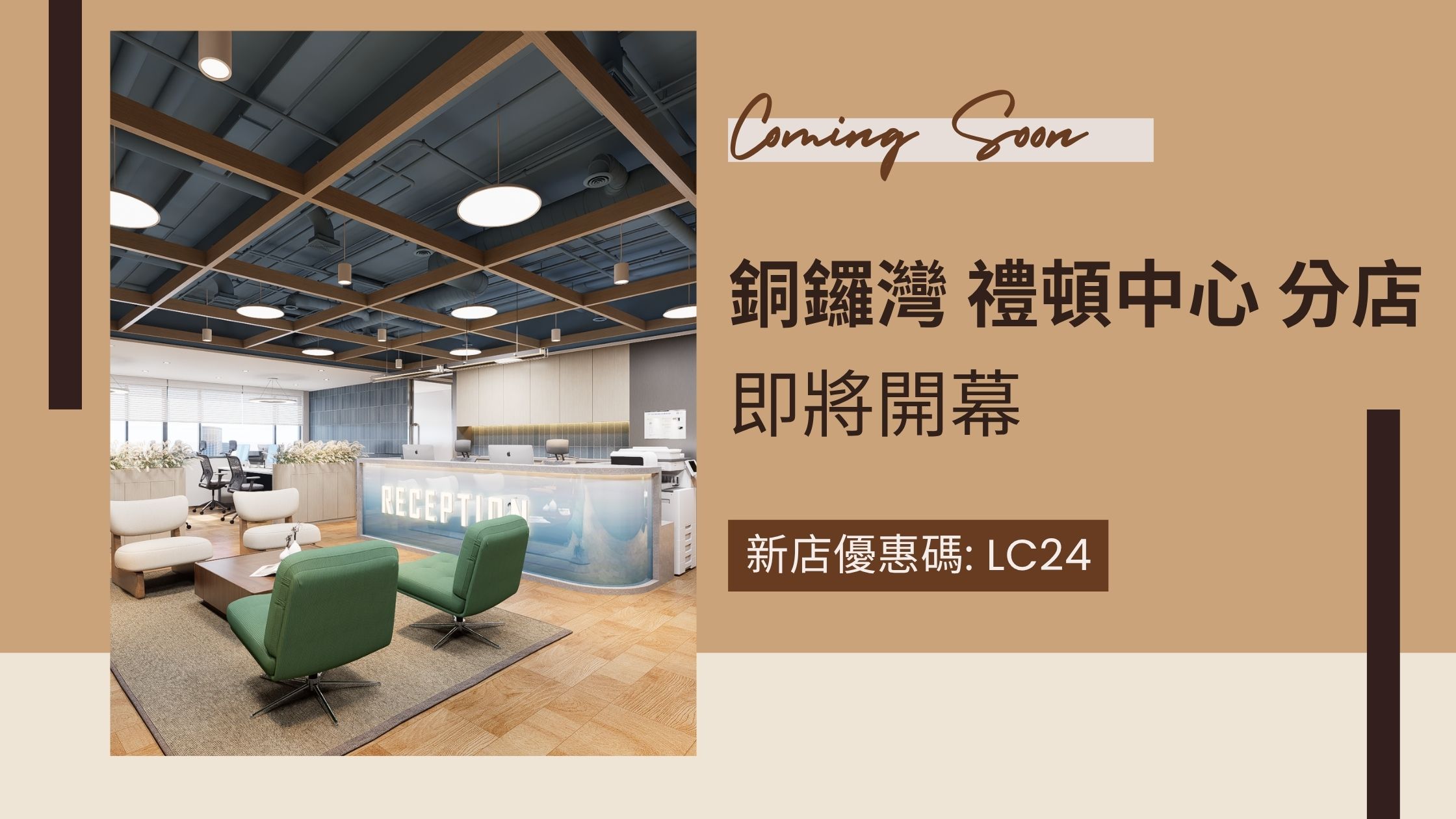


Starting a business is never easy, especially when a company has just been established. Entrepreneurs often face multiple pressures such as limited capital, high rent, and complicated renovation requirements. In a city like Hong Kong, where every inch of land is precious, the traditional office leasing model is not only costly but also requires additional investment in interior design, equipment procurement, and ongoing maintenance—making it impractical for startups. At this point, the emergence of small offices provides entrepreneurs with a flexible, low-cost, and efficient solution.
This article will explore the advantages of small offices in depth and, combined with the practical needs of starting a company, offer entrepreneurs comprehensive insights and inspiration.
1. Cost Efficiency: Reducing Early Startup Pressure
Flexible leasing model: Small offices usually offer monthly or yearly rental options, avoiding large upfront investments.
No renovation worries: Business centers provide ready-to-use office facilities, allowing entrepreneurs to start operations immediately and save both time and money.
Shared resources: Printers, meeting rooms, reception services, and other shared facilities enable small teams to enjoy a complete office setup at low cost.
For newly established companies, this model effectively reduces financial pressure and allows resources to be focused on business growth.
2. Space Design: Creating a Comfortable and Efficient Work Environment
Smart layout: Small offices emphasize efficient use of space, avoiding waste.
Multi-functional furniture: Flexible desks, chairs, and storage solutions improve work efficiency.
Atmosphere building: A cozy and comfortable environment boosts employee morale and encourages teamwork.
Such an environment not only enhances productivity but also adds professionalism to daily operations after the company is established.
3. Flexibility and Adaptability: Growing with the Company
Adjustable space: Office size can be flexibly expanded as the company grows.
Convenient location: Business centers are often located near transport hubs, making commuting easier for employees and clients.
Comprehensive facilities: High-speed internet, meeting rooms, and pantries meet the needs of different growth stages.
This flexibility makes small offices a long-term choice rather than just a temporary solution.
|
Small Offices |
Traditional Offices |
|
|---|---|---|
|
Rental Model |
Monthly/annual, flexible adjustments |
Long-term lease, heavy burden |
|
Renovation Needs |
Ready-to-use facilities, no renovation |
Requires self-design and construction |
|
Cost Investment |
Low, suitable for startups |
High, requires large capital |
|
Facilities |
Shared resources provided by business centers |
Must be purchased independently |
|
Adaptability |
Adjustable with company growth |
Fixed space, lacks flexibility |
Brand image enhancement: Small offices located in prime business districts project a professional image and build client trust.
Networking opportunities: Business centers gather multiple startups, enabling entrepreneurs to build collaborations in shared spaces.
Quick trial and adjustment: In the early stages, business directions may be unclear. The low-cost nature of small offices allows companies to experiment with different models quickly.
Q1: Are small offices professional enough after establishing a company?
Yes. Many small offices are located in prime business districts with complete facilities, projecting a professional image.
Q2: Is rent for small offices cheaper than traditional offices?
Usually yes. Rental terms are more flexible, making them suitable for startups.
Q3: Can small offices support company expansion?
Yes. Business centers typically offer offices of varying sizes that can be adjusted as the company grows.
Q4: Do companies need to purchase equipment after moving in?
No. Most small offices are already equipped with basic facilities and shared resources.
Q5: Are small offices suitable for long-term use?
Absolutely. Their flexibility and convenience make them an ideal long-term office solution.
Small offices not only help entrepreneurs reduce costs but also provide a flexible, comfortable, and professional working environment. For newly established companies, they represent a solution that balances efficiency and practicality. As the market matures and trends evolve, small offices will become the preferred choice for more businesses.