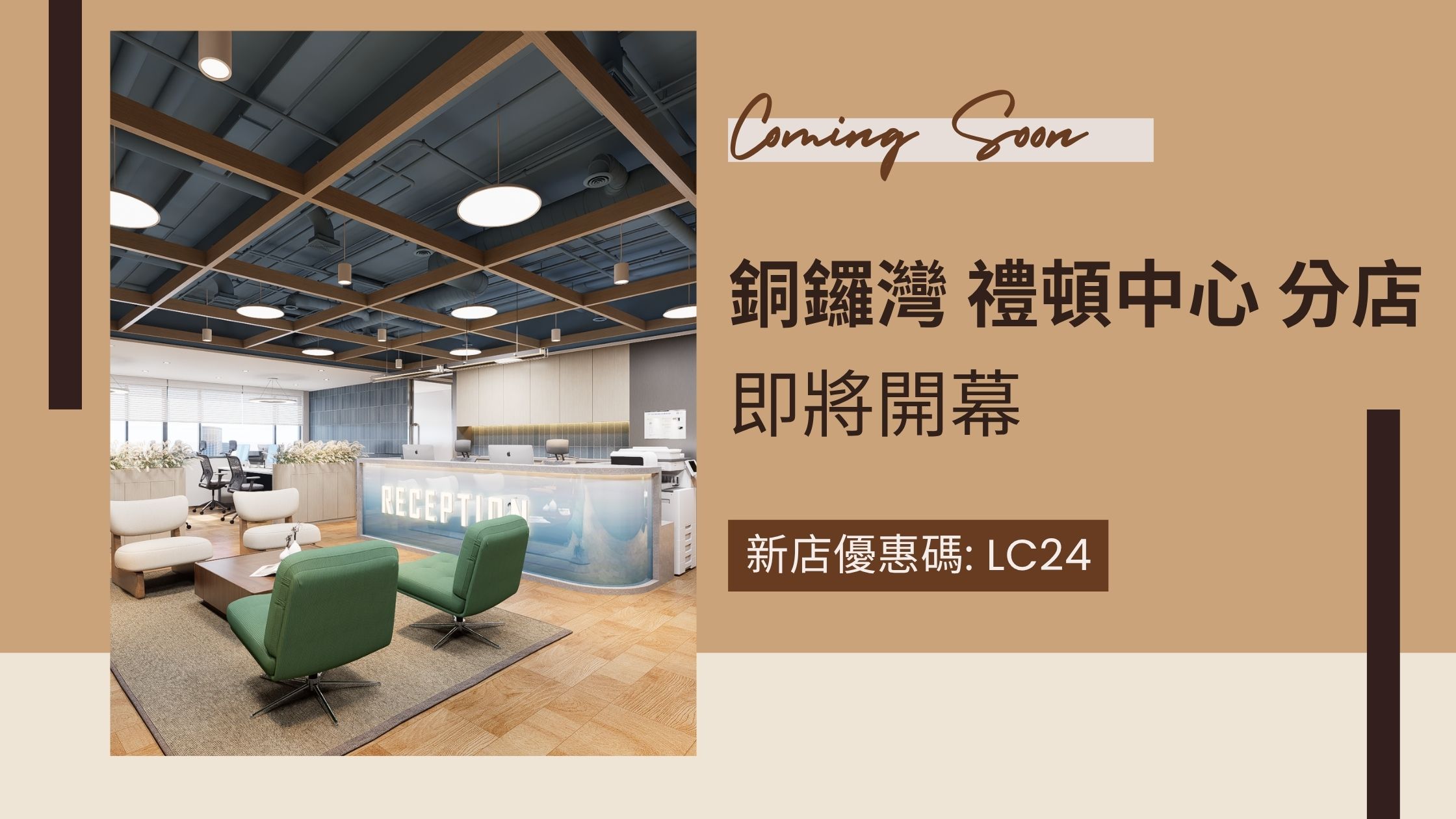


In Hong Kong’s business geography, Central is not merely a coordinate—it is a convergence point of power, capital, and opportunity. For startups and SMEs, the challenge lies in establishing a strategic foothold in this core district while maintaining financial rationality in operations. Located in the Winsome House, Capital Central Business Centre offers specialized virtual office solutions that provide companies with a mode of entry combining strategic flexibility and cost efficiency, optimizing both corporate image and operational effectiveness.
Corporate site selection is essentially the strategic allocation of geographic capital. The Winsome House location of Capital Central Business Centre offers unparalleled advantages:
● Transportation hub integration: Within a ten-minute walking radius lies the MTR Central Station, a key node in Hong Kong’s rail network, enabling efficient inter-district business connectivity. Complemented by the nearby historic tram network, this creates multidimensional accessibility, significantly reducing time costs for clients, partners, and team members.
● Systemic embedding in the business ecosystem: Situated in Hong Kong’s financial and professional services core, the surrounding area hosts top-tier law firms, accounting firms, investment banks, and consultancies. This ecosystem naturally provides professional synergy, allowing startups to quickly establish network connections within a mature business environment.
● Market signaling through address credibility: In the commercial credit system, a Central address acts as a strong signal, reducing information asymmetry and conveying professionalism and stability to the market. This generates tangible premium effects in financing, partnerships, and talent acquisition.
Choosing a virtual office here essentially means leveraging geographic capital at minimal cost, enabling a leap in corporate location strategy.
In the digital economy era, corporate image requires systematic construction that blends virtual and physical presence. Virtual offices provide a unique path of value integration:
● Foundation of legal entity status: A compliant Central business address not only fulfills statutory requirements for company registration and bank account opening but also serves as a spatial anchor of corporate legal identity. Its continuous presence in official documents, digital platforms, and promotional materials forms a core element of brand assets.
● Professional management of communication interfaces: Services such as professional call answering and forwarding effectively outsource the front-end of corporate communications. This ensures uninterrupted business contact channels while shaping a standardized operational image through consistent response protocols.
● On-demand activation of physical space: Access to professional meeting rooms and business facilities enables seamless transition from virtual presence to physical representation. This “existence flexibility” allows companies to demonstrate complete hosting capabilities in critical business scenarios, deepening client trust.
The virtual office represents a new operational paradigm, centered on strategically restructuring traditional cost models:
● Financial innovation through variable costs: Converting fixed capital expenditure on office space into variable operating expenses fundamentally changes corporate cash flow structures. This releases valuable liquidity, enabling reallocation of capital to high-value activities such as R&D and market expansion.
● Organizational adaptability through scalable flexibility: Modular service design allows companies to dynamically adjust resource input according to their development stage. This on-demand scalability provides unique resilience against market cycles.
● Operational philosophy focused on core competencies: By outsourcing non-core functions such as administrative support and facility management, companies can concentrate managerial attention entirely on value creation. This division of labor significantly enhances overall productivity boundaries.
Modern virtual offices have evolved beyond the traditional role of address providers, becoming gateways to enterprise support ecosystems:
● Seamless integration of infrastructure: Professional maintenance of high-speed networks, smart office equipment, and security systems forms the physical foundation of digital operations. The reliability of these infrastructures directly determines the stability threshold of daily business activities.
● Modular expansion of business support: From reception to secretarial services, from meeting support to event organization, a wide range of business services can be flexibly combined according to corporate needs. This modularity offers extensive customization of operations.
● Potential value creation through network effects: Shared business environments naturally form industry collaboration platforms. While accessing basic services, companies simultaneously connect to a dynamic business network, structurally enabling knowledge spillovers, collaboration opportunities, and resource matching.
Strategic Decision-Making: From Office Space Choice to Growth Path Design
In today’s business environment, office solutions have evolved from mere cost considerations into strategic designs for corporate growth paths. The virtual office model represents a new organizational logic—maintaining lightweight operations while securing strategic location presence and professional image building.
For companies seeking to establish a foothold in Hong Kong’s core business district while maintaining organizational agility and financial rationality, the virtual office offers the optimal balanced solution. It is not merely a substitute for physical space but a strategic tool for redefining workspaces and optimizing resource allocation in the digital era.
Decision-makers are advised to incorporate virtual offices into the overall strategic framework of corporate development. By systematically analyzing location needs, image-building requirements, and cost structures across different growth stages, companies can design office solution portfolios aligned with long-term strategies. The professional team at Capital Central Business Centre provides customized consultation to assist enterprises in transitioning from traditional office models to hybrid office strategies.
This transformation is not only a response to current challenges but also a strategic layout for future work models. In this sense, choosing a virtual office is essentially a forward-looking planning of a company’s development trajectory.