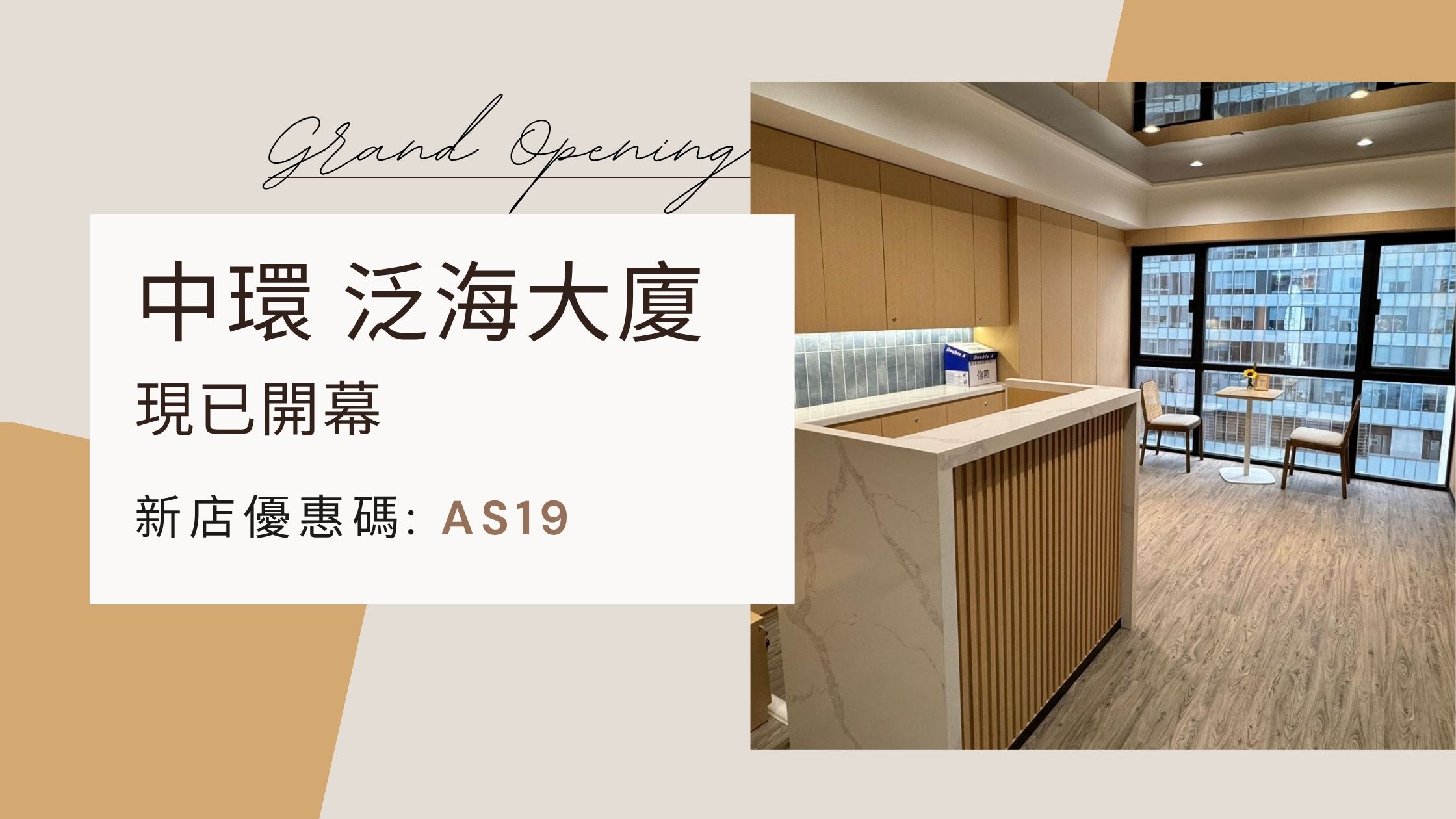


In today’s fast-changing business world, meeting room rental is quickly becoming a rising trend among companies and freelancers. Whether it’s a startup preparing a pitch or a multinational holding a client meeting, flexible meeting room rentals combine cost efficiency with a professional image.
Traditional office leases often come with long-term contracts and the burden of setting up and maintaining facilities. In contrast, renting a meeting room in a business center or co-working space saves costs while offering flexible scheduling and locations—key ingredients for modern, efficient work.
A great meeting space is more than just a table and a few chairs. Before choosing a meeting room rental service, establish clear evaluation criteria:
1. Location convenience: Time is money
For attendees—especially external clients or partners—accessibility is crucial. Venues near subway stations, bus terminals, or major transport hubs can drastically reduce travel time and improve attendance.
2. Equipment quality: Avoid technical mishaps
A professional meeting room must offer stable high-speed Wi-Fi, HD projectors or TVs, sound systems, whiteboards (or digital boards), and plenty of power outlets. Compatibility and reliability are non-negotiable foundations for a smooth meeting.
3. Pricing flexibility: Pay for what you use
Good venues offer multiple billing options—by the hour, half-day (4 hours), or full-day (8 hours). For businesses with ongoing needs, inquire about long-term partnership discounts to optimize your budget.
4. Space size and layout: Comfort tailored to your needs
The type of meeting dictates the space requirements. Internal brainstorming may need only a round table and writable walls, while an external presentation might call for theater-style seating. Always confirm capacity, layout options (U-shaped, long table, etc.), and room adjustability for a comfortable experience.
5. Additional services: Hidden value that impresses
Beyond facilities, soft services matter too. Professional receptionists, complimentary tea and coffee, and light administrative support all help create a polished, welcoming atmosphere.
Once you understand your needs, it’s time to evaluate what the market offers. Different venue types cater to different purposes and budgets.
Option A: Business Center Meeting Rooms — The Professional Choice
Ideal for: Important client presentations, board meetings, or legal negotiations.
Pros: Prime CBD locations, elegant décor, and fully equipped facilities—from advanced video conferencing to secretarial support.
Cons: Higher pricing and formal atmosphere.
Option B: Co-working Spaces — Flexible and Creative
Ideal for: Startups, freelancers, internal training, or creative workshops.
Pros: Modern design, vibrant atmosphere, flexible rental packages (even day passes), and networking opportunities.
Cons: Less privacy and variable equipment or soundproofing quality.
Option C: Hotel or Convention Center Meeting Rooms — Grand and Impressive
Ideal for: Product launches, press conferences, or large-scale events.
Pros: Spacious, professional ambience, integrated catering services, and convenient one-stop solutions including accommodation.
Cons: Highest cost and longer booking lead time; may feel excessive for small meetings.
Option D: Community Halls or Cultural Spaces — Affordable and Local
Ideal for: Community workshops, NGO events, or book clubs.
Pros: Lowest rental cost, often with unique design and local character.
Cons: Limited equipment, stricter policies (e.g., on food), and less accessible locations.
Still unsure? Follow these five steps to find your perfect match.
1. Clarify the meeting purpose
Is it an internal discussion or an external presentation? For internal use, prioritize convenience and cost; for external meetings, professional image comes first.
2. Calculate headcount and budget
List the exact number of attendees and set a clear budget per hour or per half day. Long-term partnerships often cut costs by 15–20%.
3. Leverage online platforms for comparison
Don’t just trust beautiful website photos. Check real user reviews on professional platforms or Google Maps, especially comments on soundproofing, internet speed, and staff attitude.
4. Visit the venue in person
Before finalizing, especially for high-stakes meetings, schedule an inspection. Test the Wi-Fi, sit on the chairs, and observe lighting and ventilation.
5. Confirm every detail
Before signing, check all fee details: overtime charges, tea service, equipment condition, parking discounts, and refund policies. Avoid any hidden costs.
In the era of digital and remote work, flexible meeting room rental not only saves money but also boosts team efficiency and professional reputation. Whether you’re looking for a short-term booking or a long-term partner, a comfortable, well-equipped, and flexible meeting space is a silent engine behind business success.
Take action now! Contact Capital Business Center to find your ideal meeting room and make your next business meeting more professional and efficient.