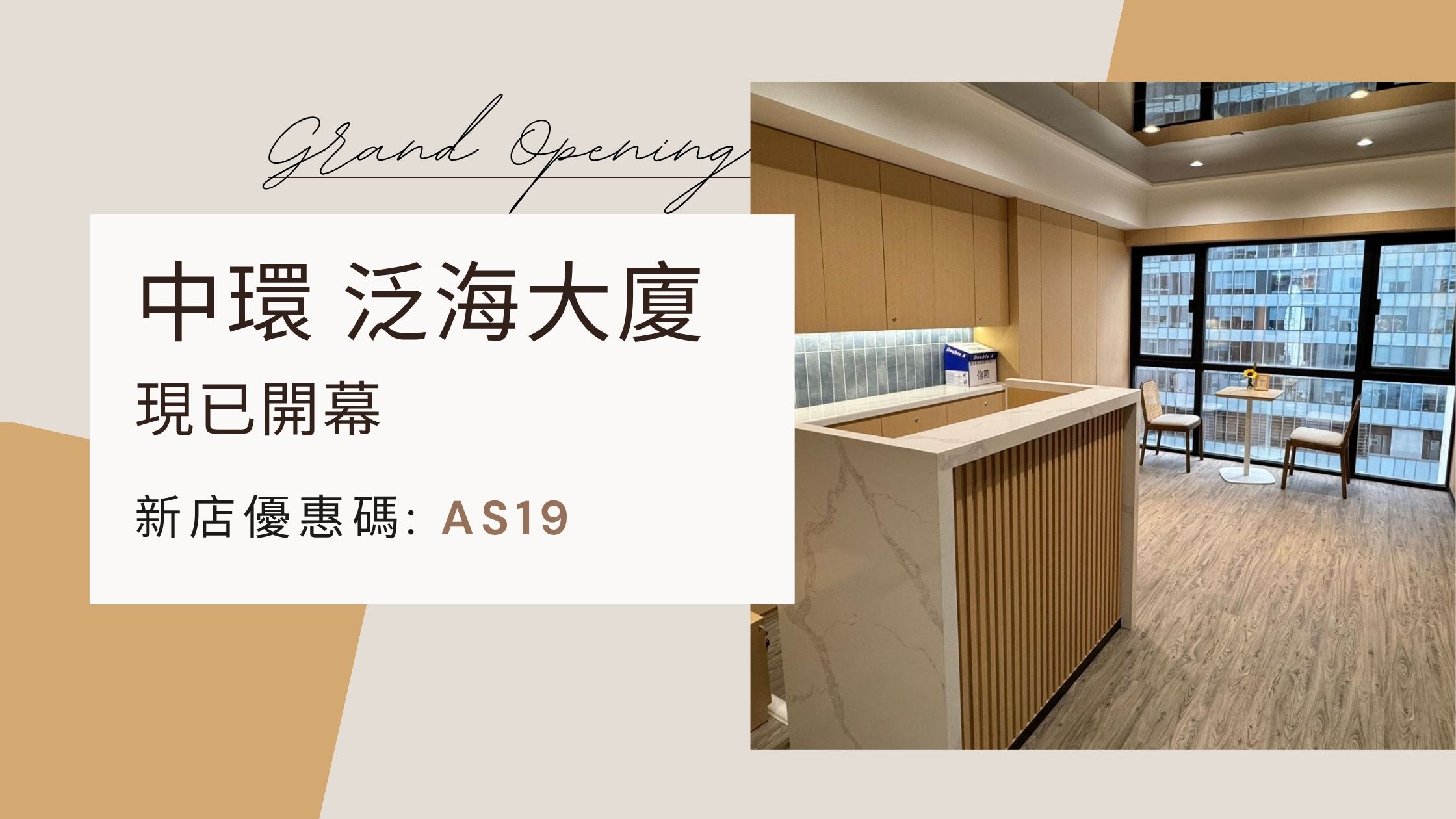
Hong Kong, as an international business hub, offers a diverse range of business centers and address registration services, from high-end fully serviced offices to budget-friendly virtual solutions. However, many entrepreneurs still face a critical decision when choosing office space: Should they opt for a traditional physical office or embrace the more flexible address registration service?
This choice not only affects the compliance of a startup but also directly impacts operational costs, corporate image, and business expansion flexibility. Next, Capital Business Center will briefly analyze the applicable scenarios and limitations of address registration services to help entrepreneurs make the most informed decision based on their business needs, ensuring a solid first step in their entrepreneurial journey.
Is Address Registration Service Legal in Hong Kong?
According to Section 622 of the Hong Kong Companies Ordinance, all companies registered in Hong Kong must provide a physical local address as their registered office address, and PO boxes are not permitted. Address registration services, typically falling under virtual office solutions, allow businesses to use a professional commercial address for company registration and official correspondence without physically occupying the space.
From a legal perspective, Hong Kong has clear regulations on address registration services: service providers must hold a Trust or Company Service Provider License (TCSP), a statutory requirement under the Anti-Money Laundering Ordinance. This means compliant virtual office services fully meet the requirements of the Hong Kong Companies Registry and can legally serve as a company’s registered address.
Which Businesses Are Best Suited for Address Registration Services?
1. Startups and Micro/Small Businesses
These businesses usually have small teams (e.g., just the founder and one or two employees) and limited operating budgets. For them, leasing a traditional office is not only costly but also results in low space utilization. In contrast, address registration services, costing just a few hundred HKD per month, perfectly meet compliance needs while avoiding long-term lease commitments.
For example, Capital Business Center’s address registration service starts at just HK$750, including a business registration address, mail handling, instant SMS notifications, and 50% off meeting room rentals.
2. E-commerce and Online Businesses
These businesses typically do not require a physical storefront or office, as operations are entirely online. However, under Hong Kong law, any profit-driven business—even fully digital ones—must register and provide a legal business address.
Address registration services offer a cost-effective and compliant solution, allowing these businesses to allocate more funds to website development, digital marketing, and inventory management—turning saved office rent into a competitive advantage.
3. Cross-Border and International Companies
Many foreign companies establish a legal presence in Hong Kong to expand into the Asia-Pacific region but may not yet need a full local team. Virtual offices not only fulfill registration requirements but also provide mail forwarding and call-handling services, ensuring overseas headquarters receive important documents and communications promptly.
4. Freelancers and Professional Service Providers
According to the Hong Kong Inland Revenue Department, freelancers earning income without an employment relationship are considered to be operating a business and must register. However, using a residential address for registration may risk privacy breaches (since company addresses are public) or violate residential property deeds.
A virtual office solves these issues while enhancing professional credibility. Additionally, businesses undergoing transitions—such as testing new markets or restructuring—can benefit from the flexibility of address registration services, allowing them to upgrade to a physical office as needed without lease constraints.
Which Businesses Are Not Suitable for Address Registration Services?
While address registration services offer many advantages, traditional physical offices remain more suitable in certain scenarios:
① Businesses Highly Dependent on Client Visits
Industries like legal consulting, psychotherapy, and premium beauty services rely on professional settings and privacy. Clients expect a dedicated, comfortable space, which a virtual address alone cannot provide.
② Businesses Requiring Specialized Equipment or Environments
Examples include biotech startups needing labs, food R&D companies requiring commercial kitchens, or manufacturers needing storage and production space. While address registration services cannot meet these needs, hybrid solutions like shared labs or kitchens are emerging as cost-effective alternatives.
③ Growing Teams (5-8+ Employees)
As teams expand, relying on cafes or coworking spaces may reduce efficiency and collaboration. A fixed office also helps build corporate culture and team cohesion, which is crucial for scaling businesses.
④ Industries with Specific Regulatory Requirements
While Hong Kong’s address registration rules are relatively flexible, regulated industries (e.g., finance, insurance) may have additional office requirements. For instance, the Securities and Futures Commission (SFC) mandates specific standards for licensed firms, which pure virtual offices may not satisfy. Entrepreneurs in these fields should consult professionals to ensure compliance.
Final Considerations: Balancing Image and Trust
While virtual offices provide prestigious addresses, some traditional industries still value on-site visits for trust-building. For example, in large B2B deals, potential partners may expect to tour the office to assess credibility. In such cases, relying solely on a virtual address could become an invisible barrier to growth.
By carefully evaluating business needs, entrepreneurs can choose the right office solution—whether virtual or physical—to support compliance, cost-efficiency, and long-term success.