

Written by: Capital Content Editorial Team丨Professionally Reviewed by: Capital Chief Content Editor丨Last Updated: 2026/10/12
Whether starting a new business or expanding operations, location selection involves much more than just looking at rent. Some businesses only require a compliant business address and mail collection services, while others need a physical workspace where the team can work daily, host meetings, and receive clients.
While both appear to be “office needs,” their corresponding solutions are entirely different:
▪ Only require a business address and administrative handling (no physical desks) → Choose a Virtual Office for high cost-effectiveness and flexibility.
▪ Require a physical workspace, meeting rooms, and client reception → Choose a Serviced Office for ready-to-use spaces and fully equipped facilities.
Therefore, rather than simply comparing monthly fees, it is better to first analyze your actual requirements: How many days per month will your team work on-site? Do you need private rooms or dedicated desks? Will clients visit? What is the main purpose of the address? Clarifying actual usage makes it much easier to select the right option than judging solely by package titles.
Many entrepreneurs encountering flexible workspace solutions for the first time often confuse serviced offices with virtual offices. To make an informed decision, first understand their core definitions and essential positioning:
| Comparison Item | Serviced Office | Virtual Office |
| Primary Purpose | Provides physical workspace; suitable for teams working on-site regularly or frequently. | Provides a business address and administrative support; suitable for daily remote work or companies needing address services. |
| Work Desks | Offers private offices, dedicated desks, or shared spaces depending on the plan; operating hours and privacy levels should be confirmed. | Generally no fixed daily seating provided; some business centres offer desk rentals separately. |
| Meeting Rooms | May include allocated hours, or require separate booking and extra payment. | Some plans allow hourly rental; available timeslots, pricing, and booking limits vary. |
| Address Usage | Address services and declarable registration uses depend on the business centre, plan, and actual arrangements. | Address services and declarable registration uses depend on the business centre, plan, and actual arrangements. |
| Mail Handling | Collection or notification provided by the business centre; specific arrangements vary by plan. | Common services include collection, notification, self-pickup, or forwarding; scanning, storage, and postage may incur extra charges. |
| Reception Services | May feature a reception counter or visitor greeting; service hours and scope should be verified. | Some plans offer visitor notification or reception, while others do not include it. |
| Cost Factors | Number of rooms/desks, location, contract duration, and additional usage items. | Monthly address fee, mail processing, forwarding, phone lines, and ad-hoc workspace usage fees. |
⚠️ Note: The above table highlights common differences and does not mean every business centre or plan includes all listed items. Before signing, request a detailed service list and fee schedule, and confirm which specific purposes the address can be used for.
Fees for serviced offices and virtual offices vary based on location, space specifications, service inclusions, usage volume, and contract terms. There is no single standardized monthly fee across all business centres in the market. A fairer method of comparison is estimating the “Actual Total Monthly Cost”, formulated as:
丨 Estimated Total Monthly Cost = Base Monthly Fee + Estimated Additional Service Fees + Other Potential Costs During Contract Period
• Does mail forwarding incur extra postage or handling charges?
• Are there limits on the number of items, parcel dimensions, or storage duration for collected mail?
• Are scanning, notifications, self-pickup, or long-term mail storage charged separately?
• Is a dedicated telephone number, call forwarding, or live call answering included in the base fee?
• Are there setup fees, security deposits, or advance payments required?
• What is the minimum commitment period and required termination notice period?
• Does the monthly fee include internet, utilities, or air conditioning?
• Are free meeting room hours included, and how are overtime rates calculated?
• Are printing, visitor reception, extended access hours, or extra desks billed separately?
• Are there setup, move-in, cleaning, or reinstatement fees involved?
• How is the deposit refunded? What are the policies for early contract termination?
Additionally, the contract billing cycle affects cash flow. Plans with lower monthly rates often require longer upfront prepayment periods, whereas short-term plans may have different pricing or service restrictions. It is best practice to list base fees, deposits, prepayments, extra charges, refund terms, and notice periods side-by-side in a comparison table.
Start by recording your actual operational needs for the next one to three months—such as monthly on-site working days, headcount, client meeting frequencies, mail/parcel volume, and whether visitor reception is required. This data helps calculate true costs while preventing long-term overpayment for unused space.
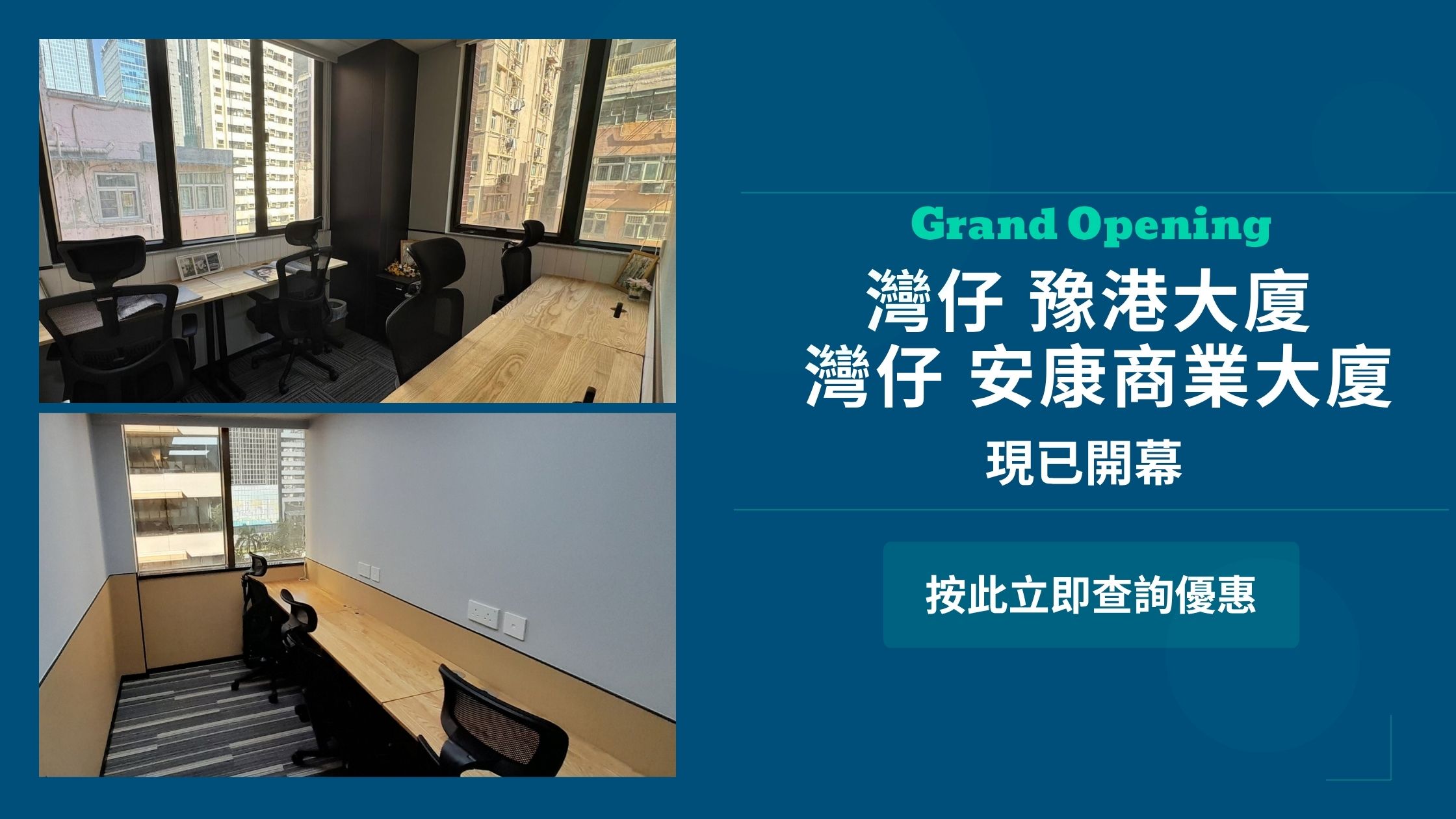
If you and your team need to work together regularly in the same location, a serviced office is likely the better choice. Typical scenarios include small companies requiring fixed desks and stable internet, consulting or professional services teams holding frequent client meetings, or corporations establishing a ready-to-use workplace in Hong Kong.
When scheduling a site visit or requesting quotes, make sure to clarify whether you are renting a private office room, dedicated desks, or hot desks in a coworking area. These options differ significantly in privacy, visitor access, permitted access hours, and storage. If your operations involve sensitive documents or business data, inquire thoroughly about access control, document security, and visitor management procedures.
If you work remotely, operate an e-commerce business from home, or run a lean team, a virtual office may align better with your realistic demands. Basic packages supply a business address and mail handling; whenever you need to meet clients or access a temporary workspace, meeting rooms or desks can be booked on a pay-per-use basis (be sure to check availability and booking fees in advance).
Overseas enterprises exploring the Hong Kong market often start by comparing address and administrative packages before deciding whether to commit to physical space based on team visitation frequency. However, having an address service does not mean the business centre manages all company secretarial, business registration, or statutory compliance duties. Every service component, responsible party, and fee structure must be verified individually.
⚠️ Note: No single office model fits every company. The pragmatic approach is to select based on current operational workflows and actual usage volume, reviewing contracts and address permissions carefully, rather than paying continuously for unused square footage just for corporate image.
Before submitting an application or paying a security deposit, confirm the following items with the business centre, ideally obtaining written documentation:
Address Permitted Uses: Can the address be used as a Registered Office Address, Business Registration address, or for other specific regulatory registrations? Will the business centre explicitly state this in the contract or service confirmation?
Scope of Services: What is included in the base monthly fee? Are address services, mail collection, forwarding, phone lines, meeting room access, and visitor reception calculated separately?
Usage Limitations: Are there monthly caps on mail items or phone calls? Are there booking windows, peak-hour restrictions, or cancellation penalties for workspaces and meeting rooms?
All-Inclusive Fee Schedule: How much are deposits, setup fees, postage charges, forwarding fees, overage rates, and lease-end charges?
Contractual Terms: What is the minimum commitment period, prepayment terms, renewal procedure, termination notice period, and refund conditions?
Mail & Privacy Handling: What types of mail can be collected on your behalf? Who is authorized to sign for deliveries? What are the protocols for notifications, scanning, forwarding, or mail remaining after contract termination?
License Verification: If services involve regulated company or trust service activities, confirm relevant licensing requirements and cross-check licensee information on the Companies Registry public register.
You can include expected on-site days, meeting room hours, mail volume, and phone usage in your comparison table. This ensures you evaluate total costs under realistic operational scenarios rather than relying on headline starting rates featured on promotional material.
Hong Kong local limited companies must maintain a registered office situated in Hong Kong. Whether a specific virtual office address can be used as a company’s registered office or for other registration purposes must be verified based on the address location, service scope, and statutory criteria; it cannot be assumed purely based on package names or whether a business centre holds certain licenses. Always obtain written confirmation before signing, and consult the Companies Registry, Inland Revenue Department, or professional advisors as needed. Licensee details can be verified via the TCSP Public Register managed by the Companies Registry.
Arrangements depend on the specific business centre and plan selected. Some plans offer front-desk greeting or visitor notification, while others provide no reception service. If client meetings are necessary, confirm front-desk operating hours, visitor notification procedures, meeting room booking availability, peak-hour restrictions, and additional fees in advance. Do not assume all plans offer immediate on-demand meeting space.
Lease terms depend on the business centre, location, room layout, and package type. Some operators offer short-term flexible agreements, while others require longer contracts or upfront prepayments. When comparing options, check minimum lease terms, deposits, renewal terms, required notice periods, and early termination rules together.
Whether a centre accepts government correspondence, registered mail, court documents, or specific courier deliveries depends on house policy and contractual terms. Before signing, ask explicitly about acceptable mail categories, authorized signature arrangements, notification timelines, scanning/forwarding procedures, and handling protocols for rejected mail. For legally binding or time-sensitive documents, do not rely solely on general mail notifications; verify document contents and response deadlines directly.
Serviced offices primarily solve where your team works physically, whereas virtual offices focus on providing address credibility and administrative support. If you are still unsure, list your team headcount, monthly on-site days, meeting room needs, mail volume, address registration requirements, and budget limits, then cross-reference them against service scopes and agreement terms.
Capital Business Centre provides versatile office solutions and business support, helping companies compare suitable options according to team size, working frequency, and address requirements. You are welcome to request a quotation for Hong Kong serviced offices or virtual offices, or schedule a tour. When inquiring, let us know your team size, expected on-site frequency, meeting room requirements, and address usage so we can tailor relevant package details. Specific service inclusions, address usage scope, and additional fees are subject to final confirmation in written proposals and agreements.